
Some Impacts
Environment
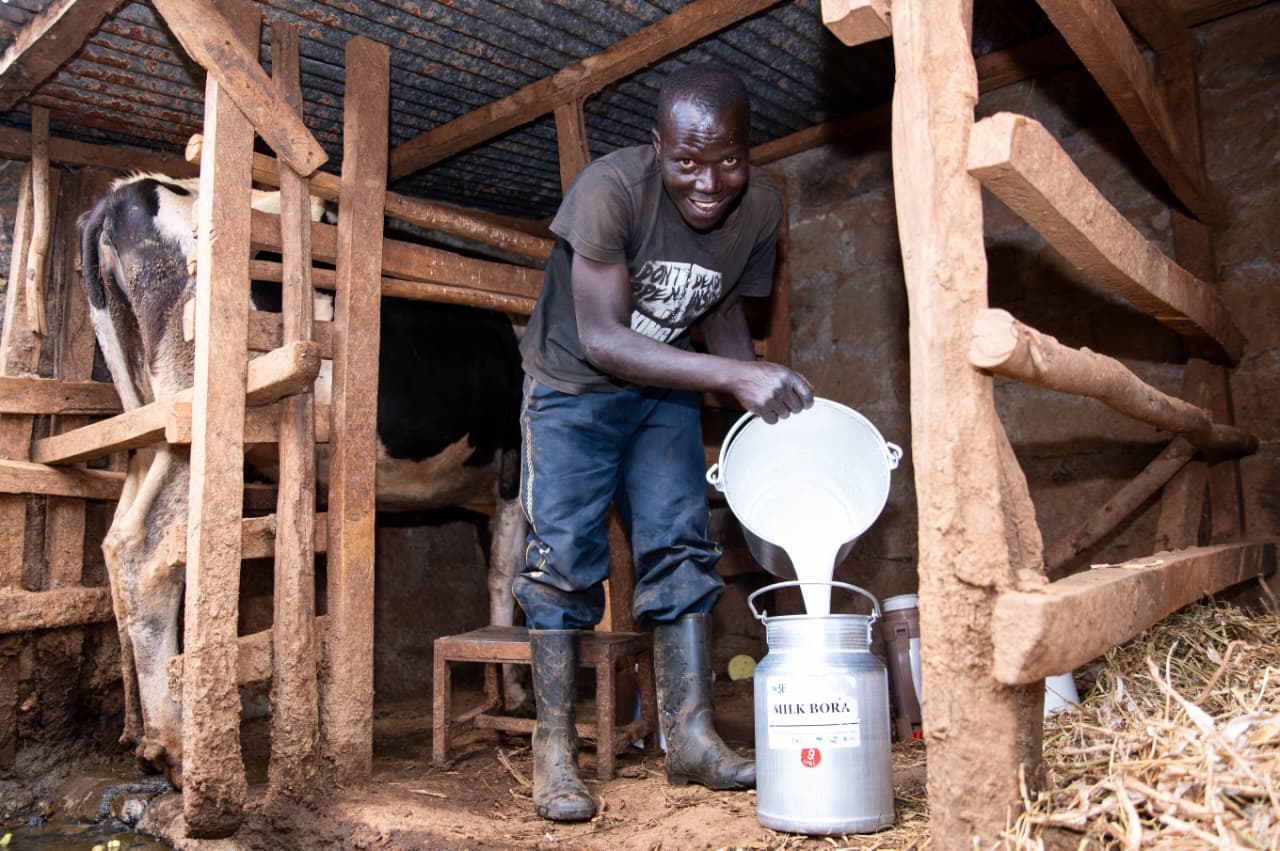
Dry Pastures, empty Shelves: The drought behind Kenya’s milk shortage
Kenyan supermarkets are running low on milk this September, with empty dairy aisles, missing brands, and purchase limits on a staple that has always been easy to find. In some supermarkets, shoppers are now limited to two boxes of milk per visit, while familiar names like Brookside, KCC, and Tuzo have vanished from shelves in parts of Nairobi and beyond.
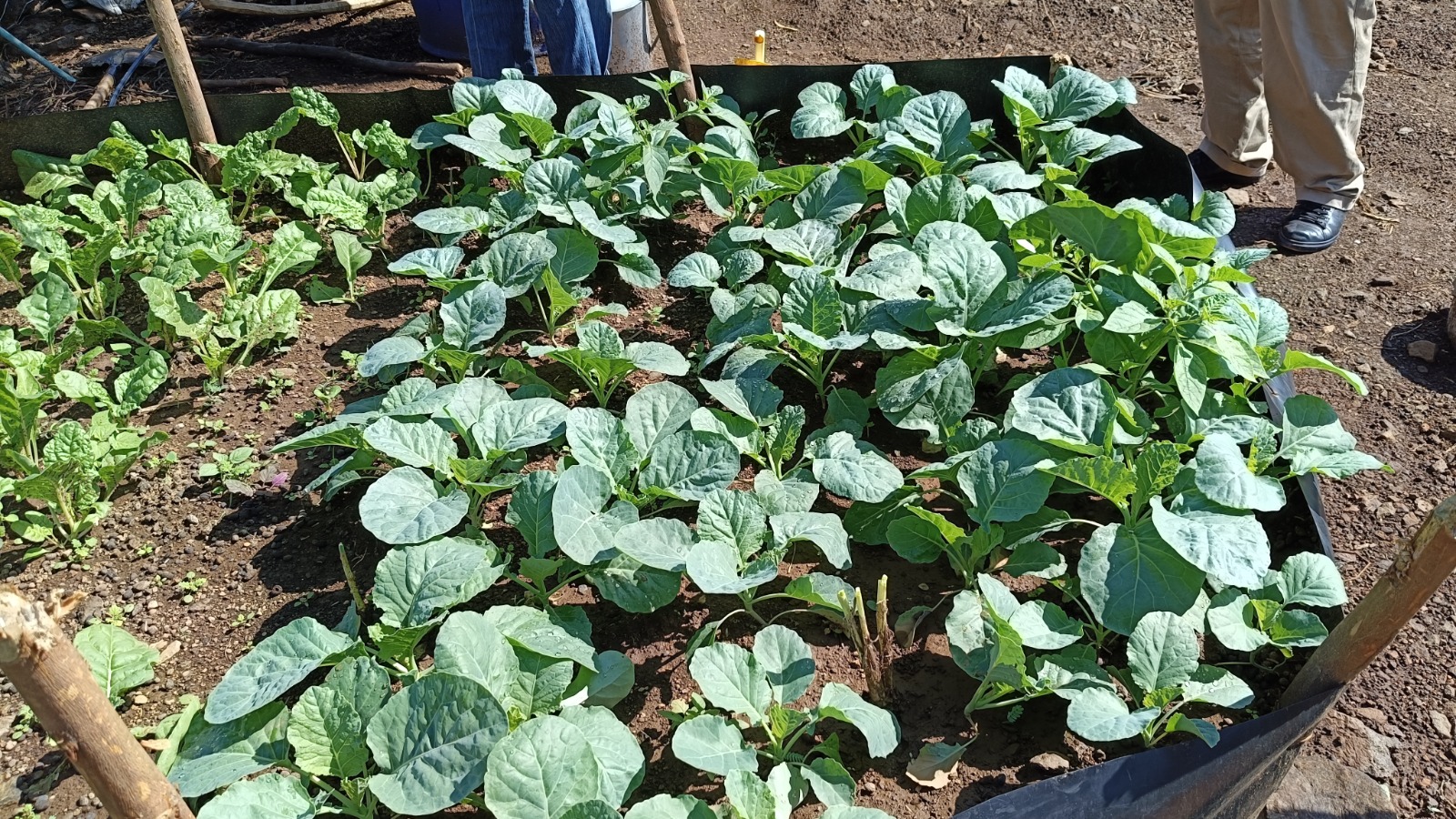
From Uncertainty to Harvest: Rose Tiren’s Journey with Climate-Smart Agriculture in Baringo.
Rose Tiren knows what it means to work hard for uncertain results. A farmer from Kiserian, she spent years tending her small plot with limited resources, unpredictable rainfall, and little access to practical agricultural knowledge. Like many smallholder farmers in Baringo, a region where arid conditions and erratic seasons make farming a gamble, each harvest brought as much uncertainty.

Restoring Our Earth: Every Action Counts
Our planet has sustained humanity since the beginning, and our ancestors learned to care for it. However, increasing population exerts immense pressure daily. Deforestation for farming and settlement, along with river pollution from sewage and plastic, severely impacts our beautiful planet. We must ask: will our planet withstand this pressure?

1% for the planet Partnership
3E Africa is excited to announce its partnership with 1% for the Planet, a global network dedicated to uniting businesses and individuals in the quest for a healthier planet. This collaboration marks a significant milestone in 3E Africa’s mission to drive sustainable development and environmental resilience in rural Kenyan communities.

Embracing Syntropic Agriculture for Sustainable farming Practices
Recognizing the critical need for sustainable agricultural solutions, 3E Africa recently invested in comprehensive training for its staff on the principles and practices of syntropic agriculture. This regenerative approach, which mimics natural forest ecosystems, is seen as a vital component in achieving our organization’s goals for long-term agricultural sustainability
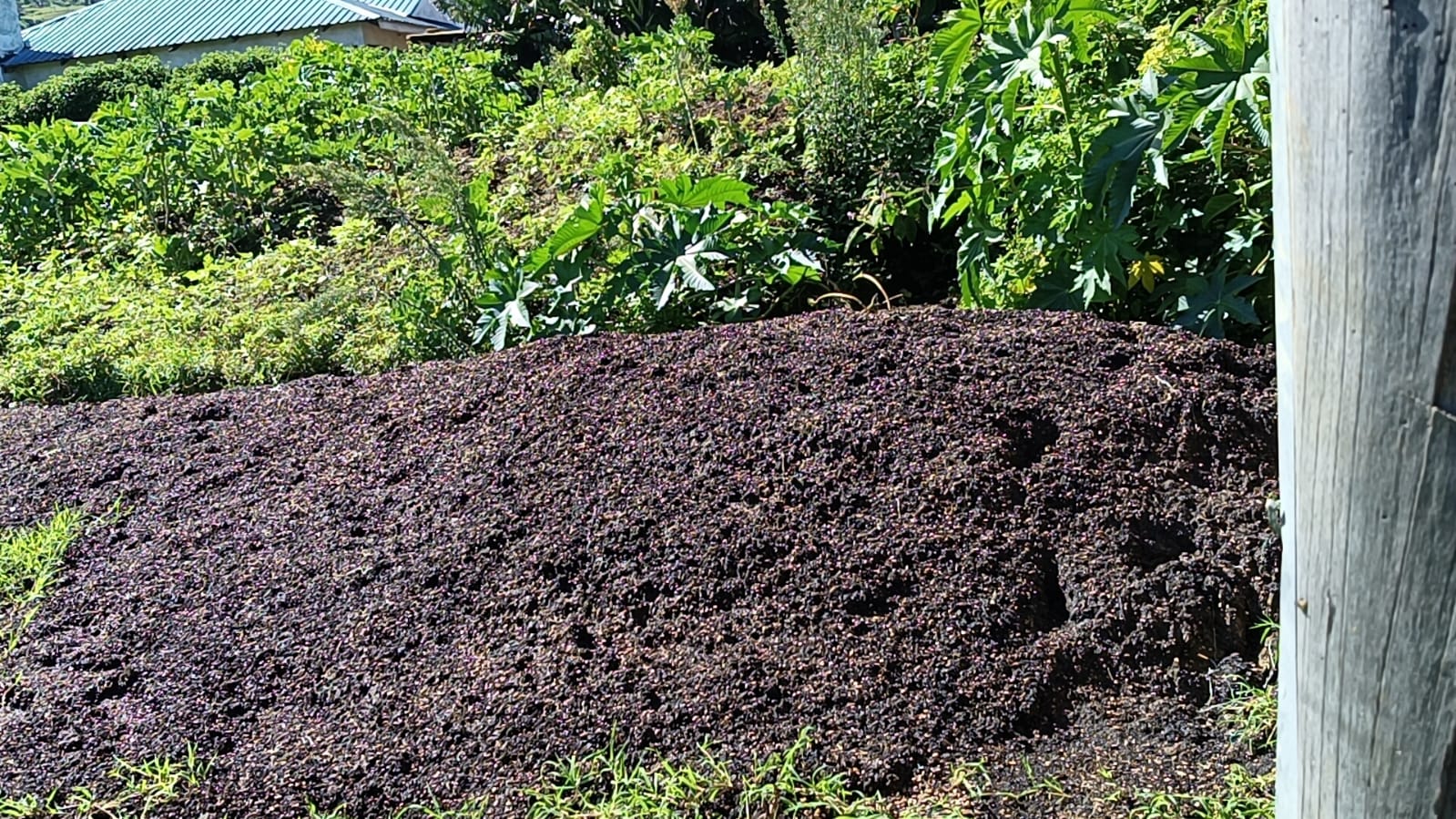
Waste to Wealth : Utilizing Coffee Husks for Nature-Based Solutions in Kenya.
Every year, Kenya discards over 10,000 tons of coffee husks—the shells stripped from coffee beans during processing. For generations, coffee farming has been a cornerstone of Kenya’s economy, providing livelihoods for many. Yet behind the aroma of each freshly brewed cup lies a largely overlooked byproduct: coffee husks. Traditionally discarded or burned, these husks not only contribute to environmental pollution but also represent a missed opportunity for sustainable development.
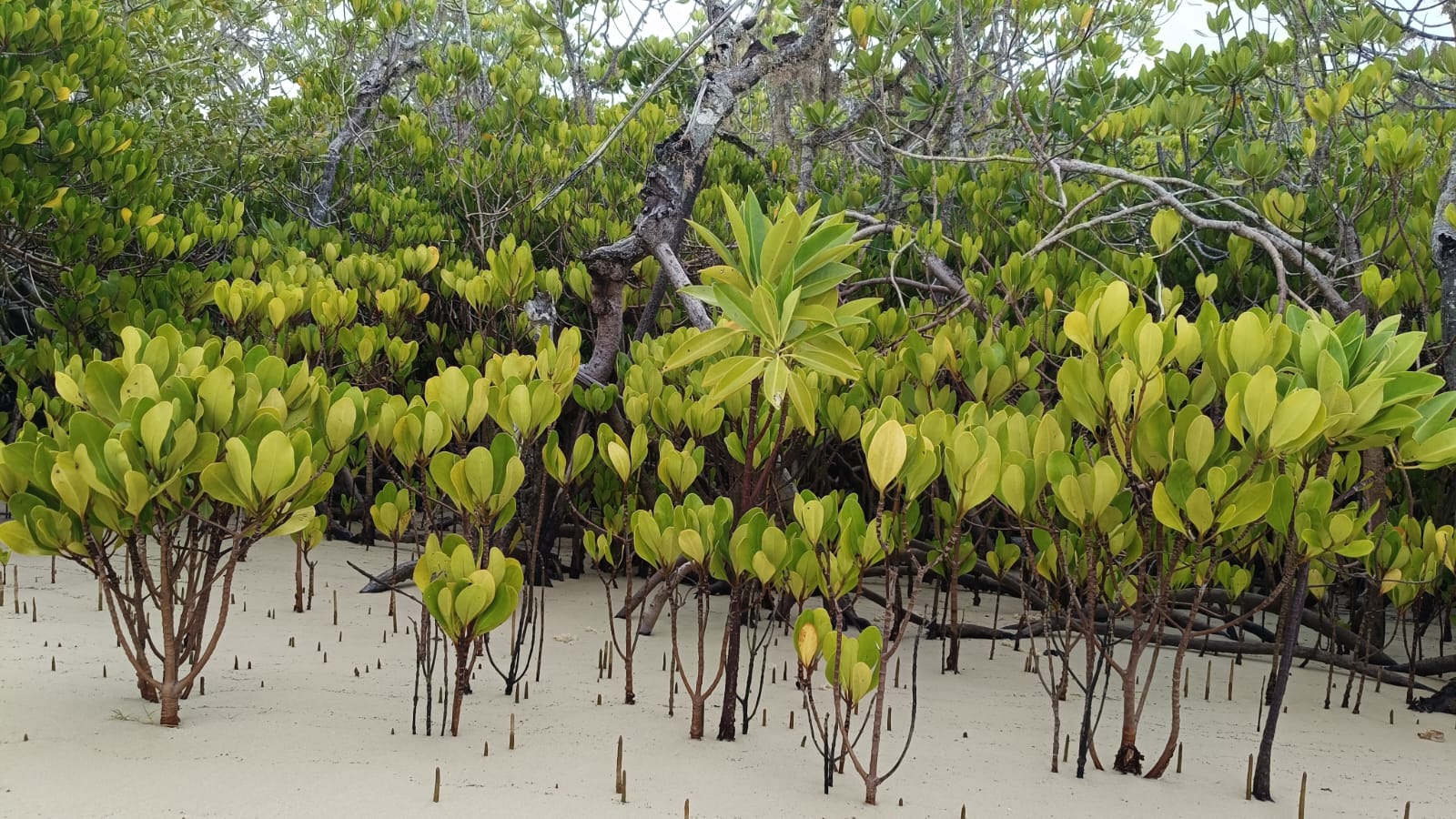
Mangroves: The Heartbeat of Lamu’s Ecosystem
Mangroves are carbon rich ecosystem that are mainly found in tropical areas around the world. However, they are threatened by a combination of natural and human induced factors. In the coastal town of Lamu, Kenya, mangrove degradation is particularly evident. While these forests have traditionally sustained the local communities, overexploitation for timber and fuelwood has taken a heavy toll.

Fodder Trees: A Nourishing Solution for Dairy Cows and the Environment
Fodder trees offer a multitude of benefits for dairy farmers, including improved nutrition, increased milk production, cost-effectiveness and environmental sustainability. The Milk Bora project demonstrates the positive impact that fodder trees can have on small-scale dairy farming operations.

Coffee, Macadamia and Conservation: How 3E Africa’s Intercropping Model Benefits Farmers and the environment.
As environmental conservation takes center stage, 3E Africa is pioneering innovative solutions that prioritize both the environment and economic prosperity. Their holistic approach in Subukia, perfectly demonstrates this, creating a win-win situation for farmers and the land they cultivate

Restoring Our Land: A Collective Responsibility for a Sustainable Future.
Climate change has put environmental conservation into the spotlight. Human activities and pollution have degraded our lands, harming the environment. Restoring these lands requires a collective effort to ensure a better future for generations to come.

Floods Havoc-How to prevent such occurrence in Future
The recent downpour, initially a welcome sight for parched farmland, has transformed into a nightmare for over 27 Kenyan counties. The longed-for rain has become relentless, causing devastating floods that bring a multitude of hardships

Uplifting Dairy: Transforming Milk Handling and Transportation in Kenya
In Kenya, 3Es’ initiative is transforming milk handling, focusing on safety and quality. Transitioning from plastic containers, training sessions, and equipment distribution mark key steps supported by figures like Mrs. Beth Wangari Mbuthia. Farmers’ positive response highlights dedication to improvement, promising a brighter future for the dairy industry through collaboration and innovation.

Milking in Happiness for Molo subcounty farmers
In Molo subcounty, dairy farming is on the rise, but challenges like feeding practices hinder productivity. 3Es organization steps in, offering training on fodder diversification and good agricultural practices. This leads to increased milk production and better incomes for farmers, like Mary Wachuka, who now sees dairy farming as a sustainable livelihood.
Entrepreneurship
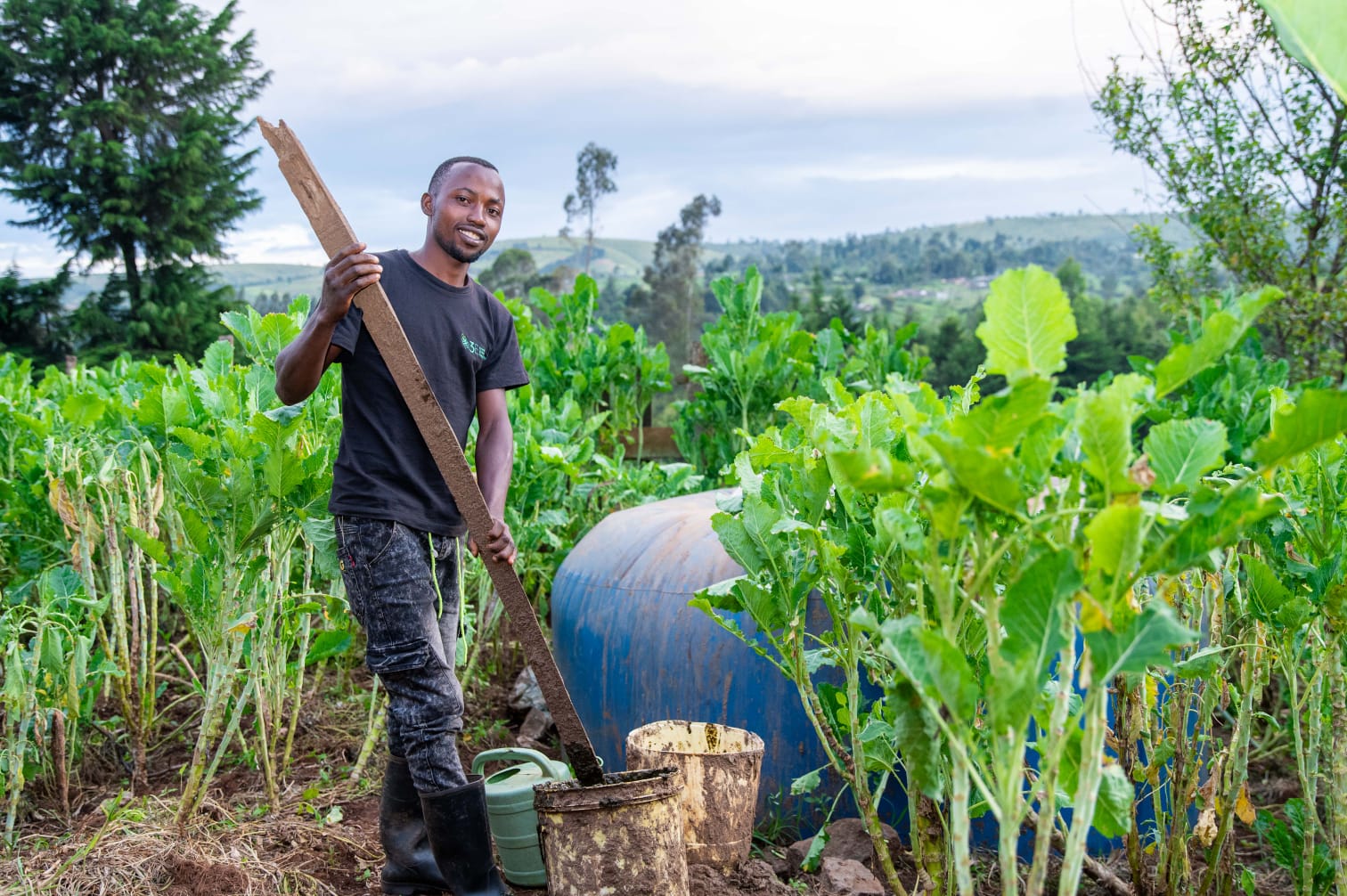
Partners in Prosperity: How men’s participation in our initiative powers Sustainable development.
At 3E Africa, our mission is ambitious yet vital, to foster sustainable development across the continent through integrated initiatives in environment, entrepreneurship and energy. We believe that true progress requires a holistic approach, leveraging local strengths and engaging every member of the community.

From Stressful Struggle to productive Dairy: How Smart Feeding is Reviving Dairy Farming in Molo
Dairy farming has been a pillar of economic activity in our Molo since colonial times, a tradition passed down through generations. However, over time, a single, persistent challenge, feeding the cows has drawn many farmers away from this valuable activity

Planting Seeds of economic prosperity: Financial literacy empowers Subukia Coffee Farmers.
For generations, farmers have relied on their land and expertise to produce for home consumption and sale the surplus, but a lack of formal financial knowledge has often limited their ability to fully capitalize on their hard work. Financial Literacy training is set to change that narrative, equipping Coffee farmers with essential skills to manage, grow, and secure their farm finances, making farming a high-income activity for the households.
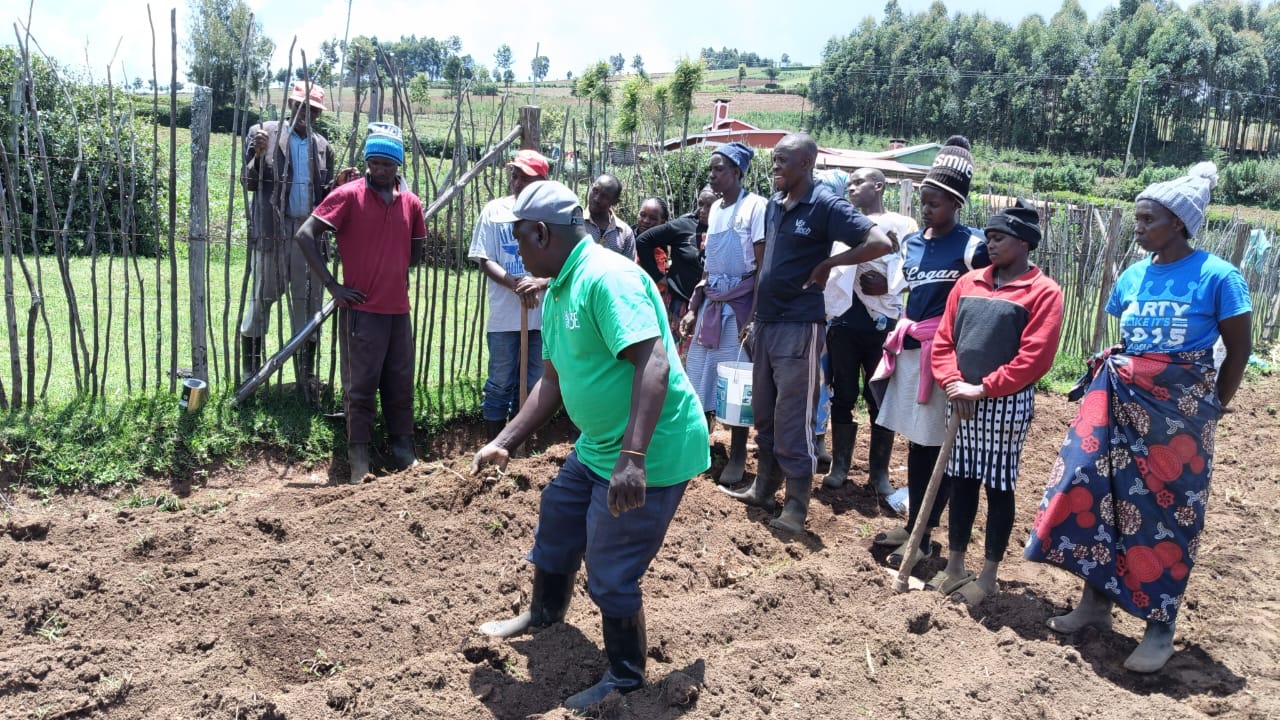
Farming for the Future: Overcoming Challenges for Sustainable Livelihoods
Over the past two weeks, our team has spent time with farmers on their land. This close interaction and the subsequent data collection have revealed the significant challenges they currently face. The farmers mainly depend on farming to provide for their families, a crucial question arises, in the era of climate change can agriculture remain a sustainable livelihood for them?
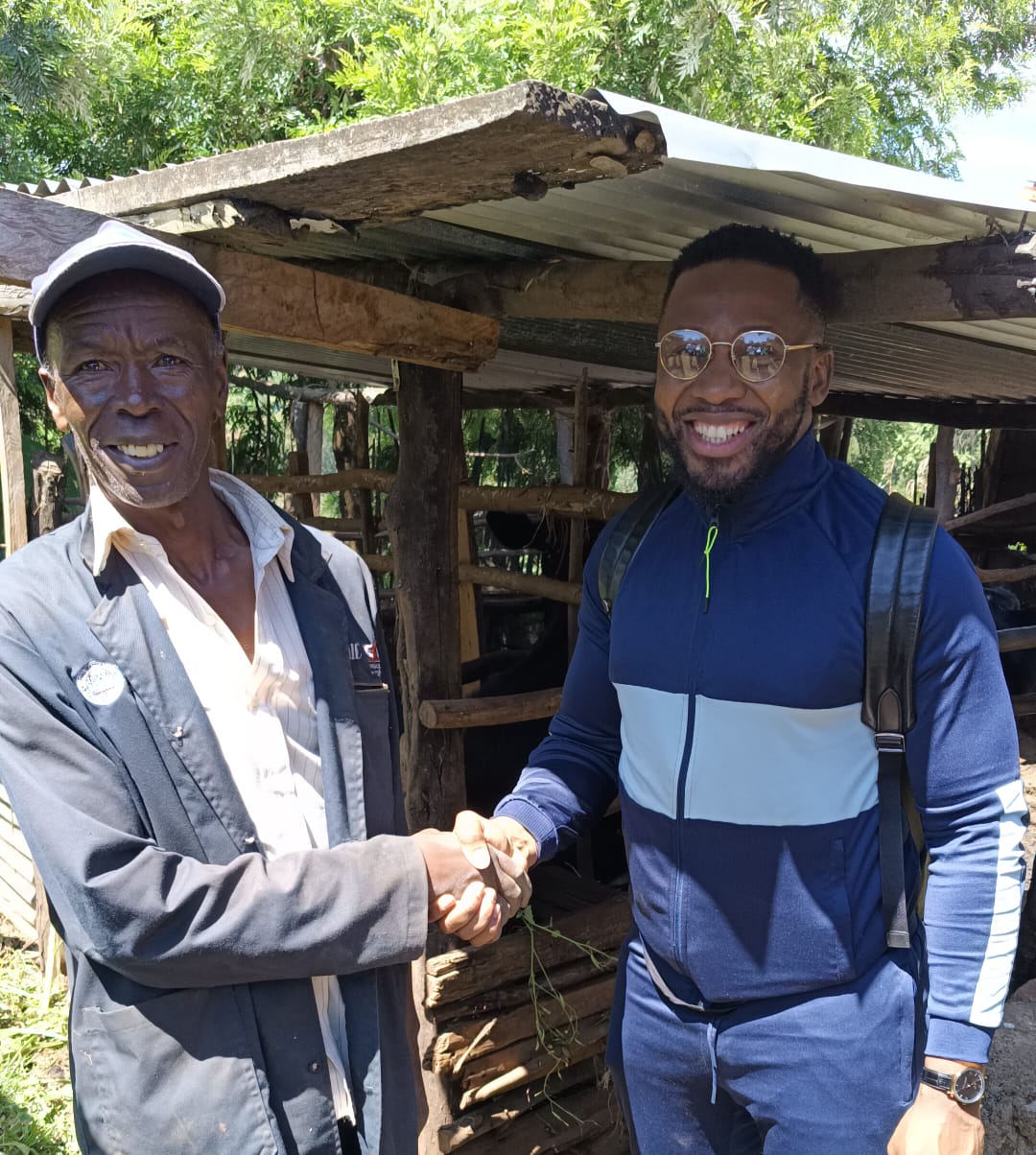
Molo Farmers Benefit from Expert Knowledge on Boosting Milk Production.
Despite its high potential for dairy farming, Molo, like many highland areas in Kenya, has been hindered by a lack of technical knowledge among farmers. This has often resulted in low milk production, limiting the income potential for many households. To address this challenge, the 3E organization has been working to equip farmers with the necessary knowledge and skills to effectively manage their dairy cows.
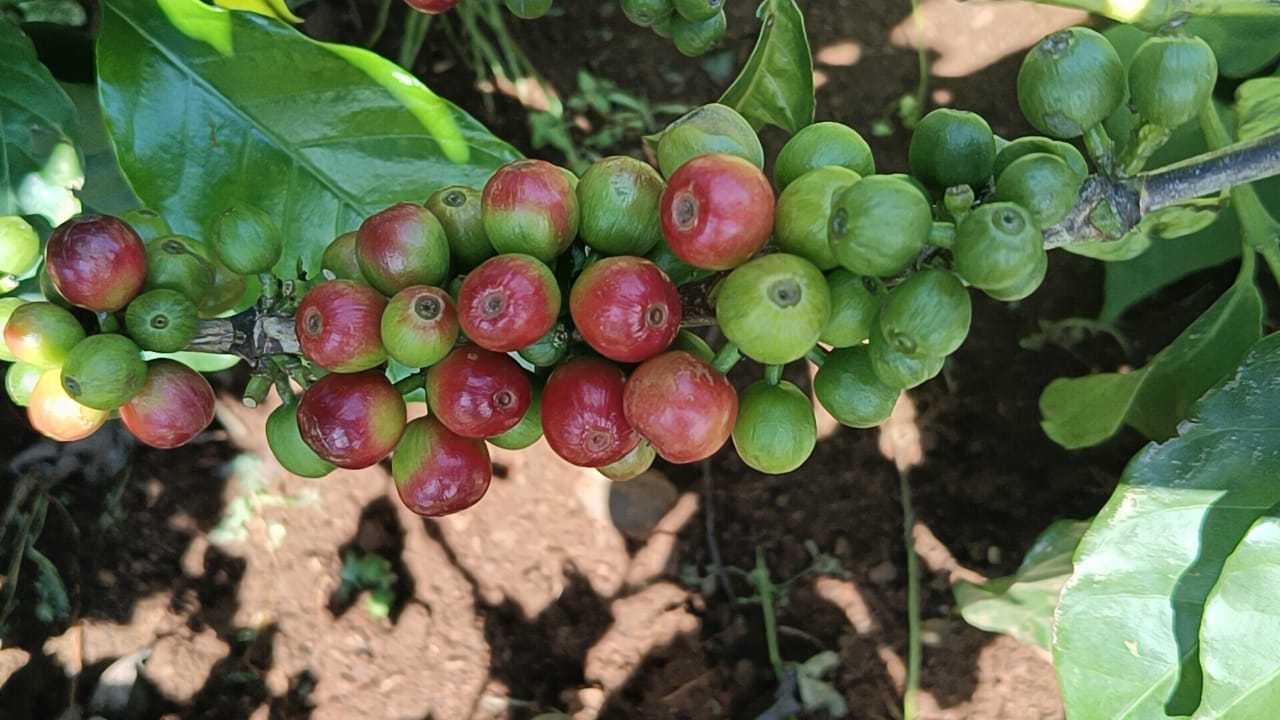
Empowering Coffee Farmers through Financial Literacy
For generations, coffee farmers in Kabazi have relied on traditional knowledge to cultivate their crops. While these practices have sustained livelihoods, they often fall short in maximizing profits and ensuring financial stability. To address this, 3E Organization has prioritized entrepreneurial development, focusing on financial literacy to empower farmers.

Empowering Mau Juhudi through Milk Value-addition
In the highland counties of Kenya, dairy farming has long been a cornerstone of the local economy. Many farmers practice small-scale operations, each tending to a few cows that produce an average of 5 litres of milk per milking session. While traditional milk products have been passed down through generations, their short shelf life and nutrient loss often limit their economic potential.

Local Entrepreneurship: 3E Organizations Approach to Sustainable Entrepreneurship
Entrepreneurship has emerged as a powerful force for economic development, creating jobs and fostering innovation. By providing entrepreneurs with the necessary support, we can unleash the full potential of this sector and create even more opportunities for growth.

Empowering dairy farmers through financial literacy
Financial literacy is essential for dairy farmers to make profit. Without it, tracking earnings, identifying investment opportunities, and transforming farming from a hobby to a high-income activity becomes challenging. At 3E, where we prioritize entrepreneurial development for our farmers, we recognized this very challenge.

Minting Money from Pawpaw and Vegetable Farming in Arid Areas: The Story of Sarah Ruto.
Sarah Ruto, a 48-year-old resident of Kaptich village in Marigat subcounty, Kenya, was familiar with the challenges of farming in an arid and semi-arid area (ASAL). For years, she relied on maize farming primarily for commercial purposes, generating income only once a year, which mainly went towards her children’s school fees.

Empowering Marigat women through sustainable poultry farming.
In Marigat, a Kenyan area known for its arid and semi-arid climate, malnutrition a is prevalent. Unpredictable rainfall patterns make achieving food security a constant struggle. The dry seasons render large parts of the year unproductive.

Hermetic Grain Silos: A sustainable solution to Post-Harvest Losses.
Farmers have traditionally relied on their own methods to store grain after harvest, but these methods often have limitations and are not very efficient. While there’s been a focus on increasing crop yields, less attention has been paid to post-harvest losses, which can be as high as 30%.

Transforming Coffee farming in Kabazi: Introducing Ruiru grafted Coffee
For generations, Kabazi farmers have nurtured coffee trees, their livelihoods have been sustained by coffee for over 50 years. However, time has brought challenges. Traditional SL 28 and Batian varieties have yielded diminishing returns, averaging at 3kg per tree.
Molo’s Dairy Solution:Empowering Farmers Through Fodder Diversification and Manure Management.
In Molo subcounty, Kenya, where agriculture is the main source of income for many households, farmers face challenges from chemical-intensive practices that degrade soil health and traditional cow feeding methods that limit milk production and income.

Cultivating Change through Sustainable coffee farming in Subukia.
Coffee farming has long been a cornerstone of Kenya’s economy, especially in the country’s highlands. Introduced by white settlers, coffee cultivation took root, and after their departure, local Kenyans took over the farms.

Making a difference in the informal milk sector-Mau Juhudi Dairy
The Mau Juhudi Self Help Group, with support from 3E, established a milk bar to provide quality milk while ensuring safety standards. This initiative has led to increased sales and added value through cheese and yogurt production. Not only does it benefit small-scale farmers, but it also promotes sustainable business practices within the community.
Energy
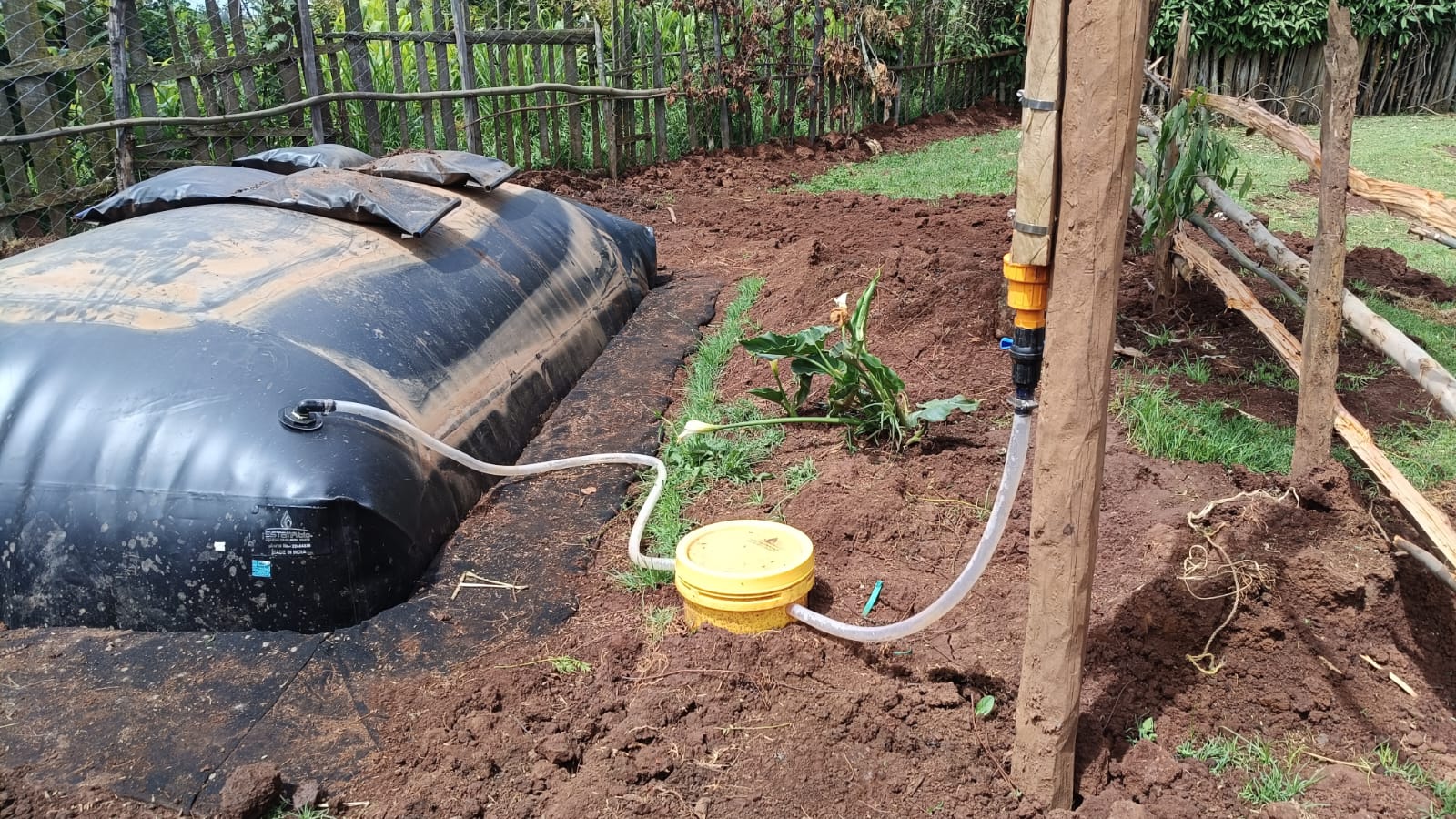
Improving rural lives :How Biogas is Empowering Communities
For generations, rural communities have relied heavily on non-renewable energy sources like firewood for their basic needs – cooking, lighting, and heating. This dependence not only strains our forests but also contributes significantly to climate change. Recognizing this urgent need for sustainable solutions, the 3E organization is championing the adoption of clean energy sources, particularly biogas, in rural areas.

Renewable energy-A cure for farmers in Molo
3E is leading the transition to renewable energy, particularly biogas, among Molo farmers. By replacing traditional fuels with biogas, households reduce emissions, improve waste management, and boost productivity.