Kenyan supermarkets are running low on milk this September, with empty dairy aisles, missing brands, and purchase limits on a staple that has always been easy to find. In some supermarkets, shoppers are now limited to two boxes of milk per visit, while familiar names like Brookside, KCC, and Tuzo have vanished from shelves in parts of Nairobi and beyond. Fresh pasteurized milk has taken the hardest hit, while long-life UHT varieties remain easier to find since they can be stockpiled ahead of shortages.
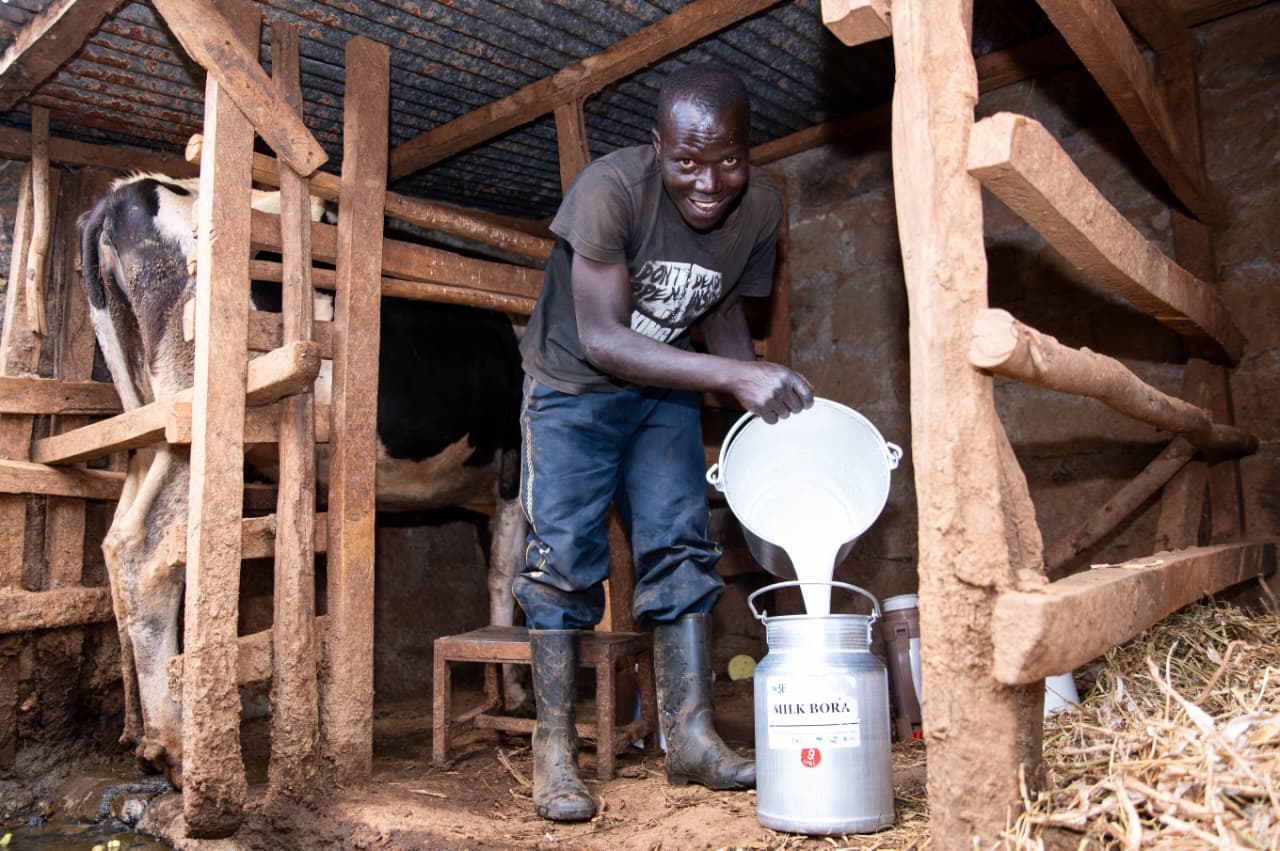
Behind the empty shelves is a straightforward chain of cause and effect: drought, which means reduced rainfall in key dairy-farming regions. The effect is withering pasture and fodder, leaving farmers unable to feed their herds. Formal milk deliveries to processors fell 3.7%, from 84.4 million litres in June to 81.3 million litres in July, with a further decline reported in August. As grazing dried up, farmers turned to costly bought-in feed, pushing farm-gate prices from Sh42 to around Sh55 per litre and driving retail prices higher too.
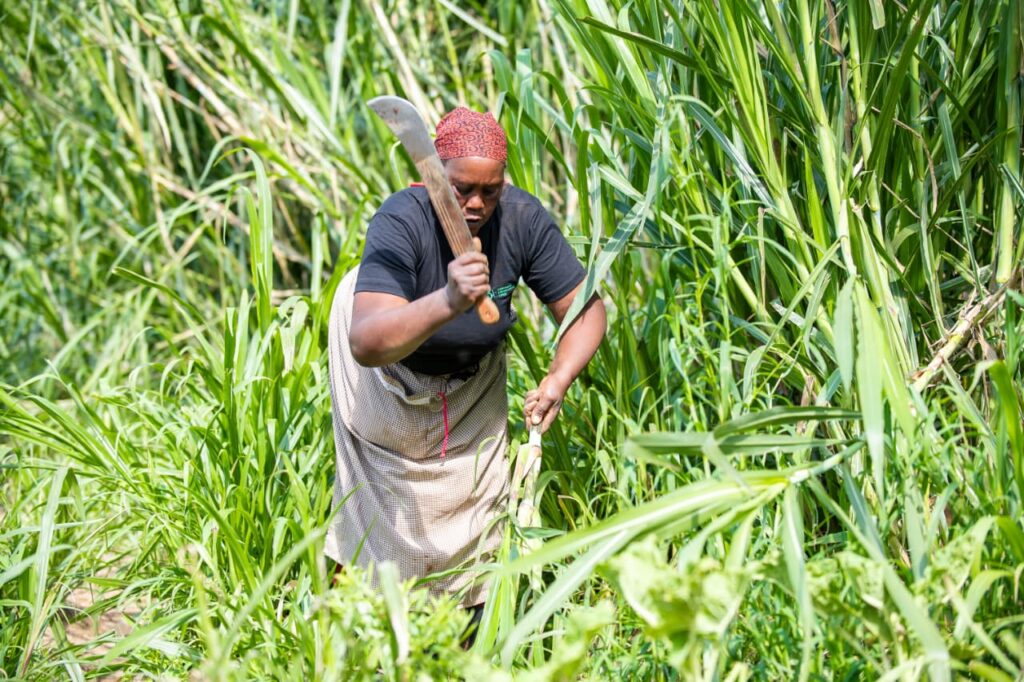
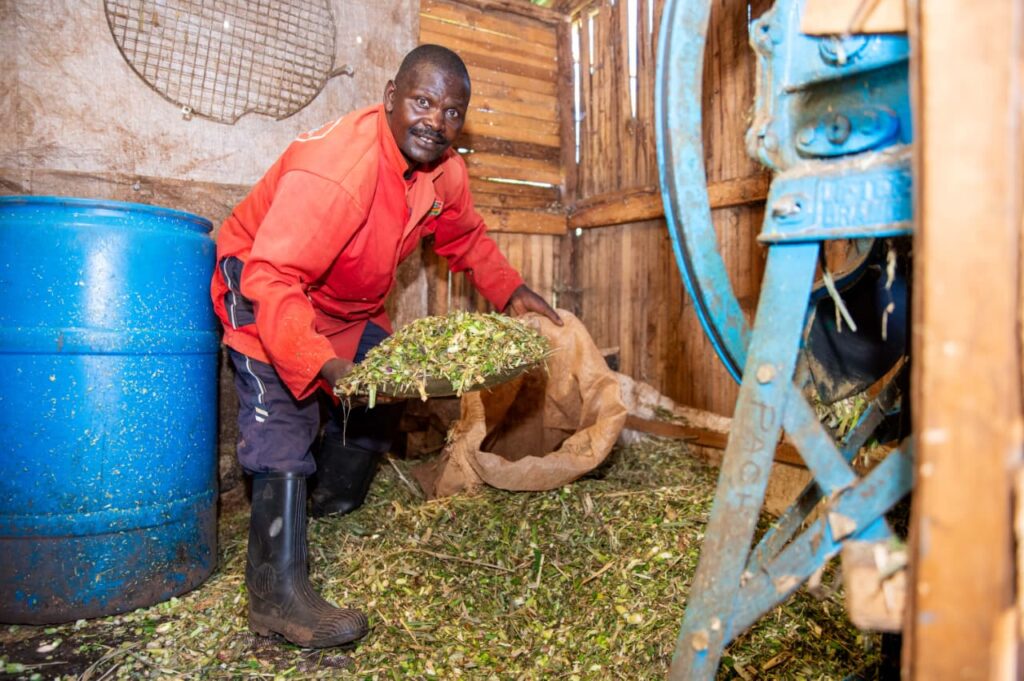
This crisis exposes a deeper problem, farmers’ lack of preparation for dry spells. Most smallholders rely on pasture that grow abundantly during rains and disappear when they stop, wasting seasonal surplus instead of storing it. Training in fodder production and conservation through silage production changes that equation, cutting dependence on expensive commercial feed and keeping milk production steady throughout the year.
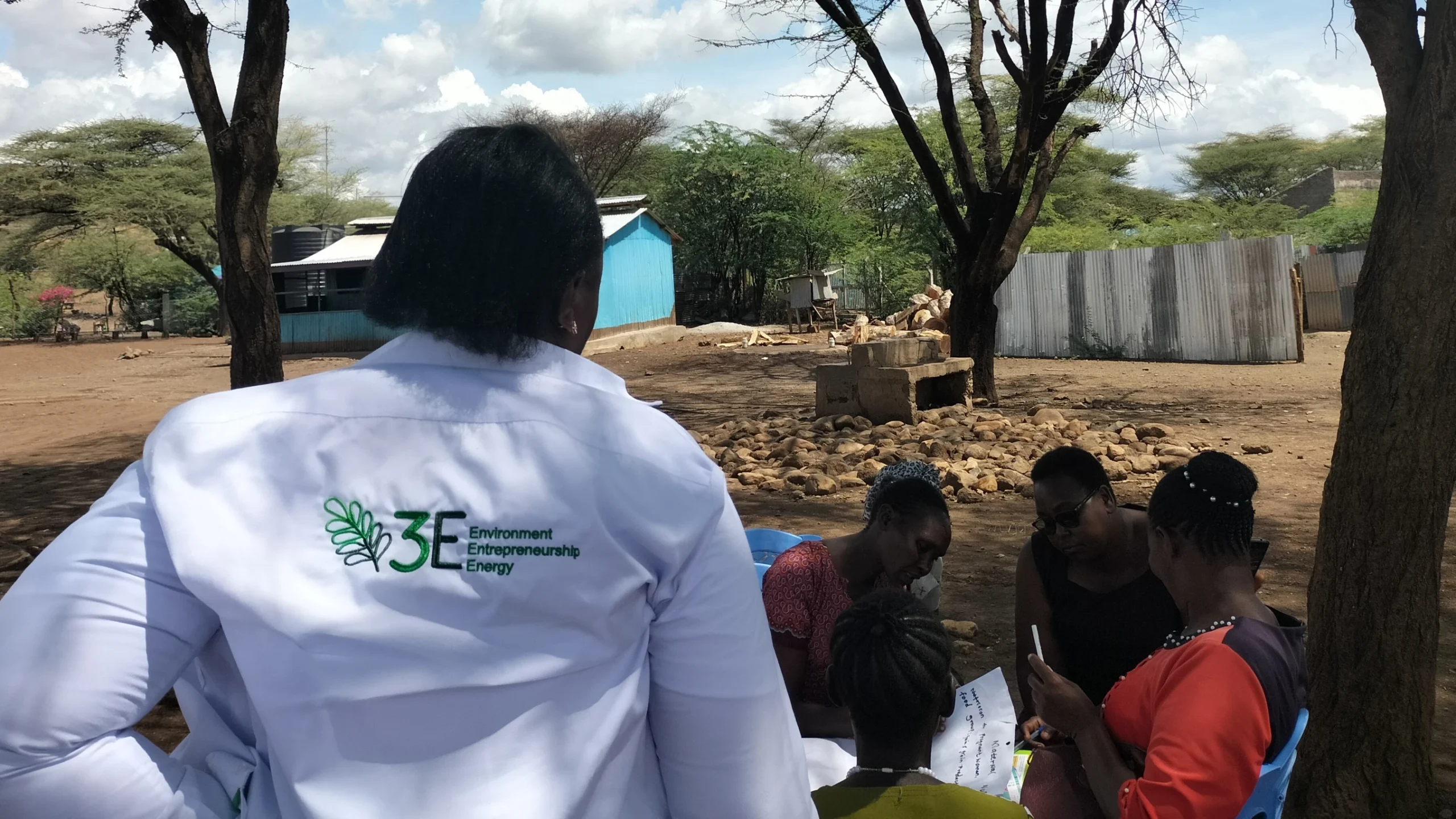
3E Organization is already closing this gap, training farmers in fodder production and conservation so the cows can be sustained through droughts rather than depleted by them. This kind of local capacity-building is a long-term complement to government efforts, which currently include short-term mitigation measures expected to take about three months to show results.
The approach 3E Africa is taking is simple: bring farmers together, train them on the importance of growing their own fodder, and establish demonstration plots. From there, the fodder is monitored as it grows, and farmers are trained on silage making and just like that, surplus feed is stored for future use instead of being lost to the next dry spell. Farmers are also trained on sustainable soil and land management, gradually building the kind of climate resilience that keeps milk on supermarket shelves before another drought sweeps it off.