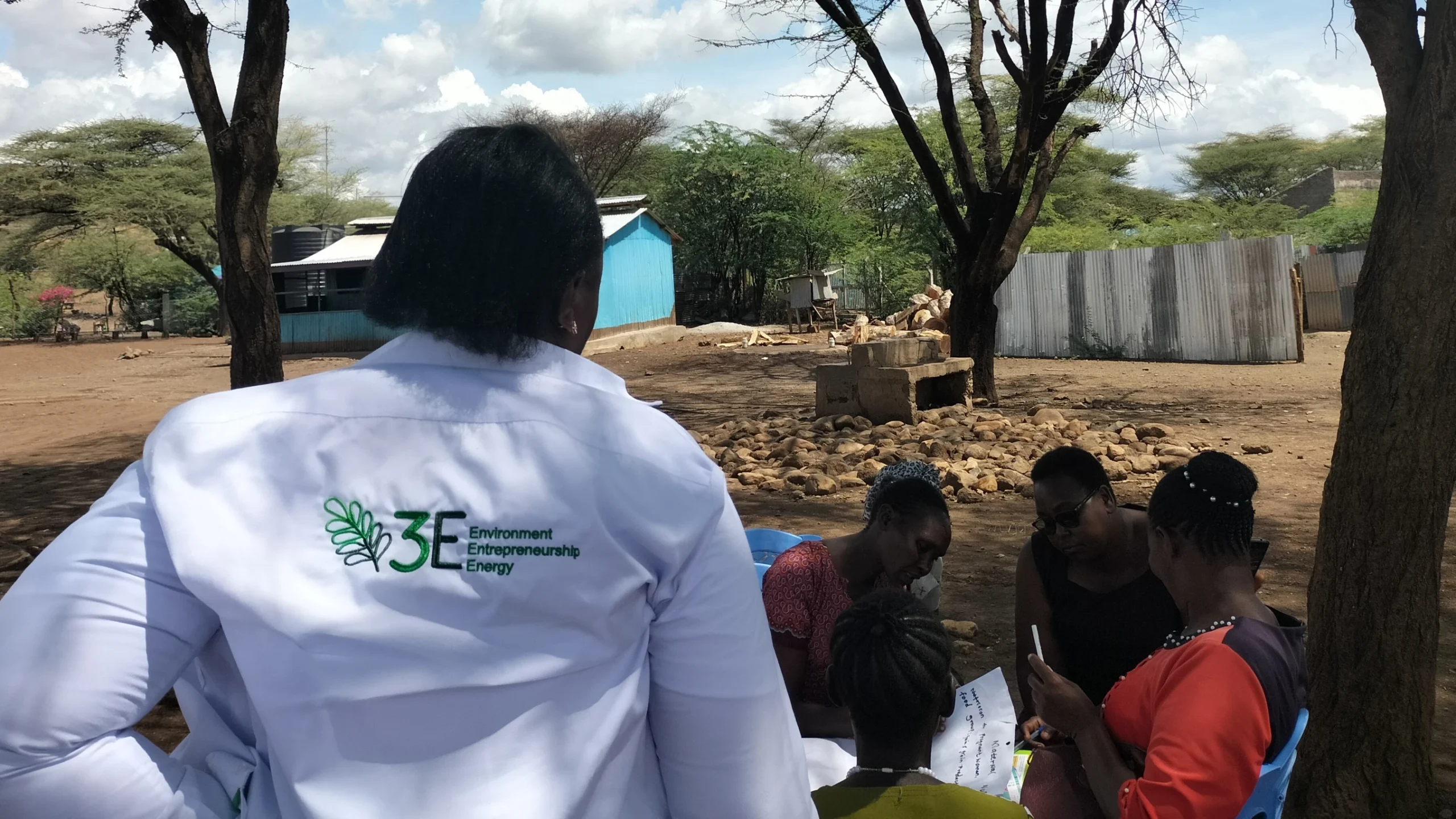

For generations, farmers have relied on their land and expertise to produce for home consumption and sale the surplus, but a lack of formal financial knowledge has often limited their ability to fully capitalize on their hard work. Financial Literacy training is set to change that narrative, equipping Coffee farmers with essential skills to manage, grow, and secure their farm finances, making farming a high-income activity for the households.
Having seen these gaps with the farmers, 3E organization partnered with Caritas Nakuru, to conduct a financial literacy training to coffee farmers in Kabazi and Subukia. The training was done to members of two Cooperatives that the organization has been supporting, Ndemu and Kiremba coffee farmers cooperative society. The training perfectly aligns with one of the key pillars of the organization, entrepreneurship. Mainly focusing on transforming how farmers view and manage their earnings.
The key focus of the training was to enhance better farm finances management among the farmers. Different farming activities like any other businesses, has fluctuating income and expenses. The training provided practical tools for budgeting, record-keeping, and assessing profitability. Farmers being able to track costs more accurately, identify unnecessary expenses, and make informed decisions on purchasing inputs, ultimately boosting their farm’s financial muscle.
The training also emphasized on Saving Culture. One of the greatest challenges for smallholder farmers is managing income received in seasonal or irregular payments. The training stressed the necessity of a saving culture, helping farmers set aside funds not just for emergencies, but for future investments, ensuring financial resilience between harvest seasons. Additionally, beyond daily operations, the training unlocked the concept of strategic investment. This knowledge empowers farmers to look for opportunities to diversify their income streams, invest in higher-yielding inputs, or upgrade their farming technology all aimed at increasing long-term productivity and improved livelihood.
The sessions, delivered with a practical and relatable approach that helped the farmers to understand better. The session was culminated with a session on Village Savings and Loaning Association (VSLA) which was meant to practically influence the saving culture and keep the farmer on track. The farmers were highly appreciated the training, genuinely believing that it will better their farm finances management and savings. Many realised they had been operating “blindly” when it came to tracking profitability and planning for the future.
By instilling the discipline of financial planning, we are not just helping farmers manage money, we are cultivating a path toward sustained financial independence and generational prosperity in their households and communities at large.