
Dairy farming has been a pillar of economic activity in our Molo since colonial times, a tradition passed down through generations. However, over time, a single, persistent challenge, feeding the cows has drawn many farmers away from this valuable activity. The great difficulty of finding adequate feed has caused a significant shift, pushing the majority of farmers towards chemical-intensive crop farming. As a result, dairy farming risked becoming just a side activity, done only to get milk for the household rather than for the substantial profits it once brought to families.
During our assessment, we realized why dairy farming had become such a stressful venture despite its profitability. The core issue wasn’t a lack of effort, but a lack of knowledge about how to diversify and preserve feed for use during the challenging dry periods. The typical cow diet was highly inefficient, consisting mostly of Napier grass throughout the year, supplemented only by low-nutrient additions like weeds and farm waste left after harvest. This poor diet directly led to low milk production and declining cow health, confirming the need for a focused fix.
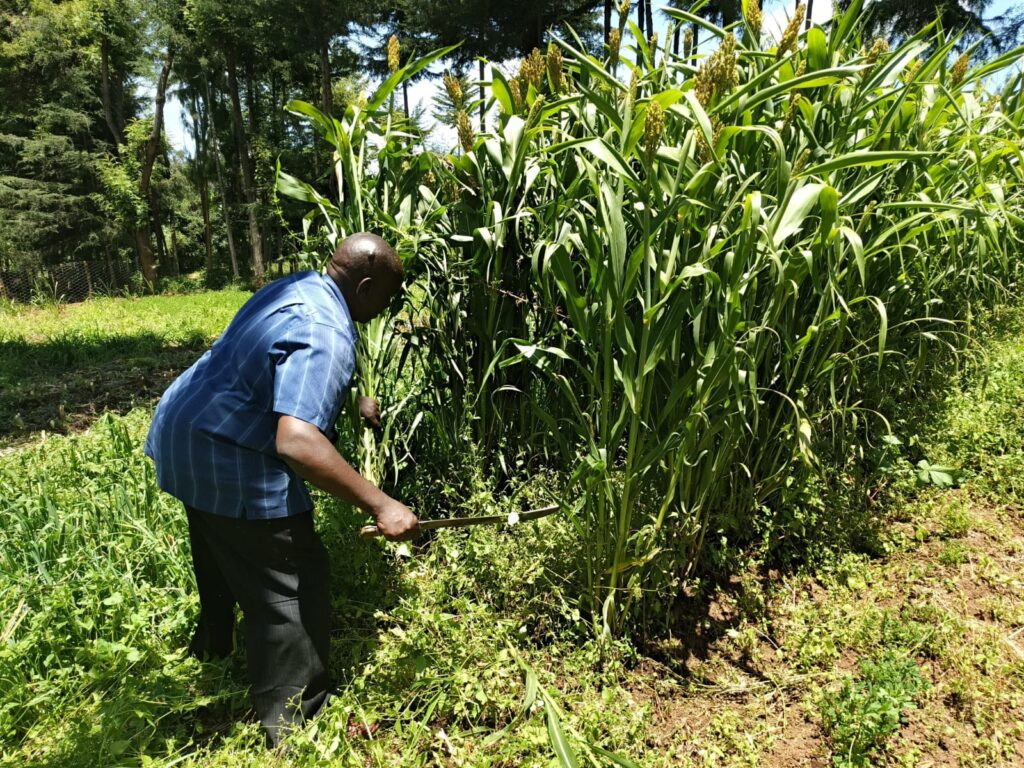
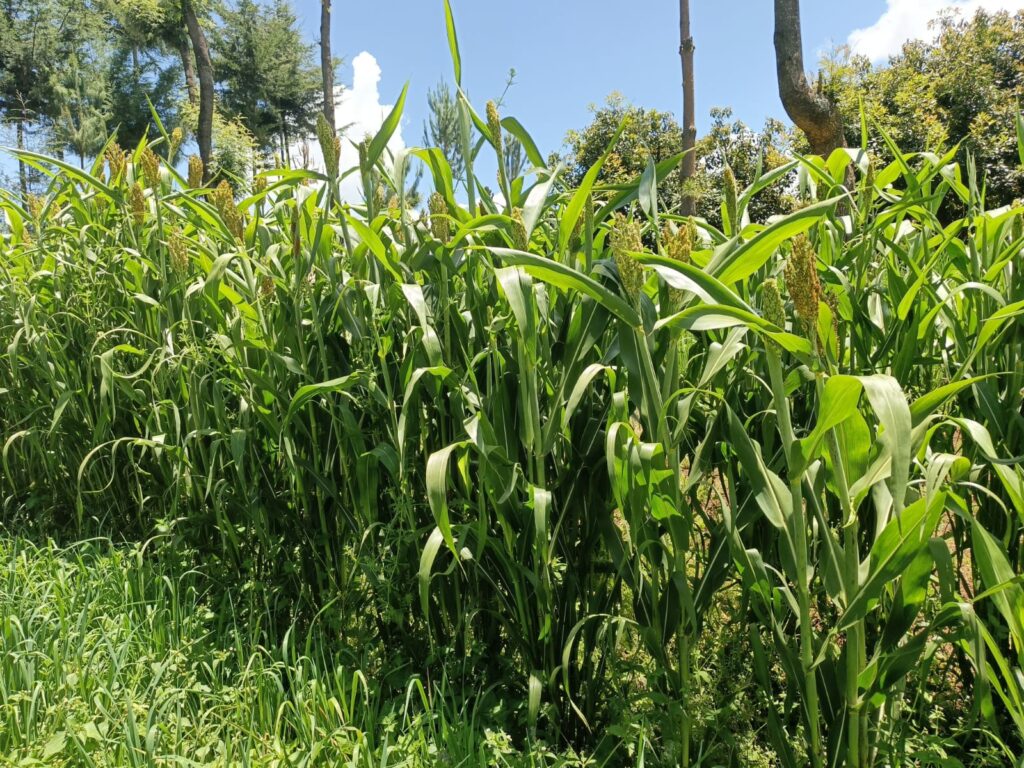
As the 3E organization, our goal for the Dairy Project was simple, to reduce the feeding burden on farmers and, crucially, to increase milk production by solving the basic problem of poor nutrition. Our help started with a series of trainings, beginning with teaching farmers about the different types of feed and their specific nutritional value to dairy cows. This was immediately followed by hands-on training on their own farms to establish diverse feed plots. There, they planted high-energy feeds like Super Napier, oat grass, and sorghum, alongside protein-rich options such as Lucerne, sweet potato vines, and desmodium.
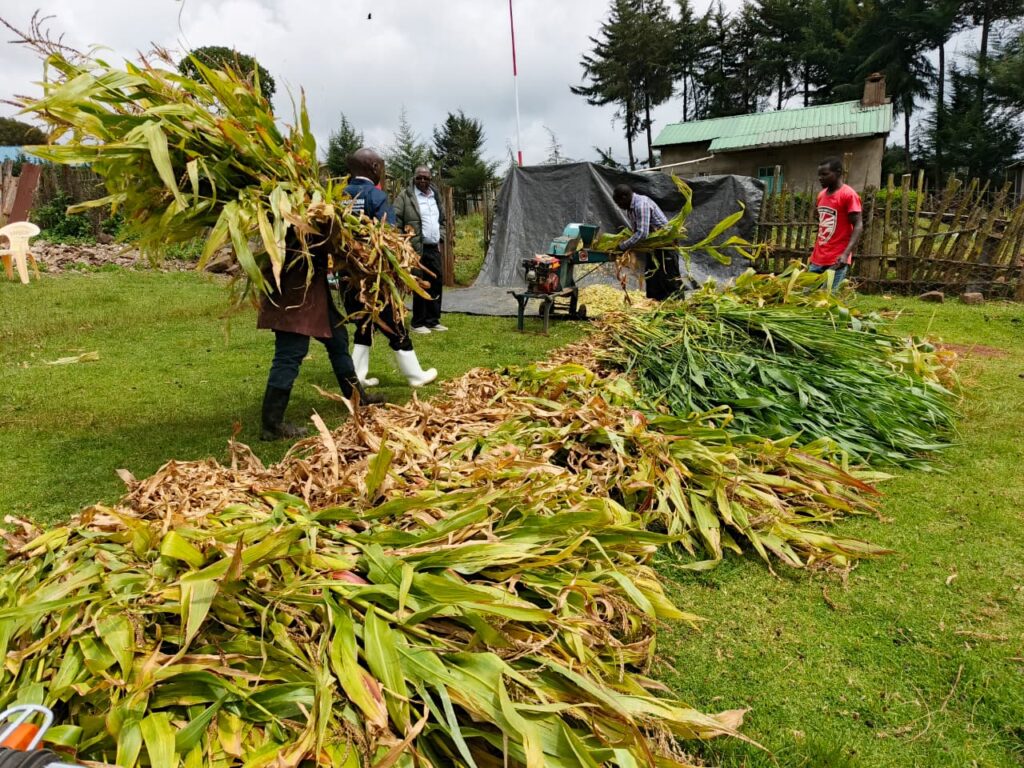
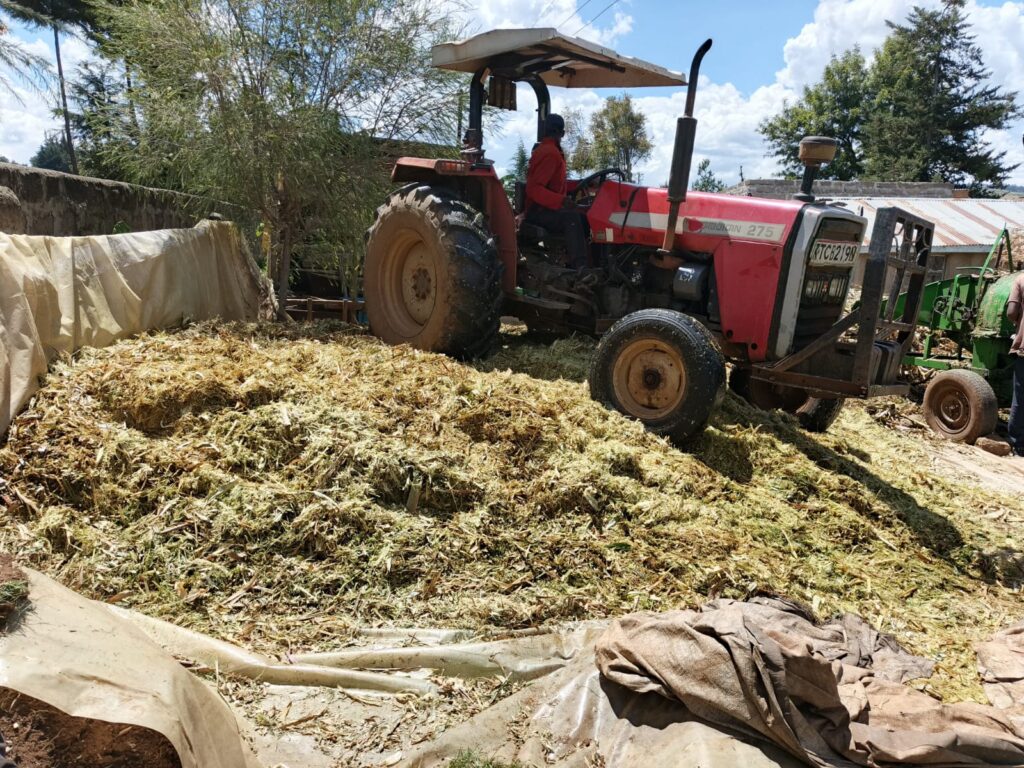
The practical learning continued through the harvest period, where farmers were trained on key methods, including proper wilting to manage water content and achieving the correct daily mix of protein and energy feed. Most importantly, we focused on teaching feed conservation. We implemented silage making which allows farmers to save their extra harvest. This simple yet effective method gives them a consistent, high-quality feed supply all year, acting as a vital supplement when food is scarce in the dry season.
Following these comprehensive trainings, farmers have reported seeing clear and positive changes in their cow’s health and milk production. They are already actively benefiting from the diversified and stored feed supply, reducing their daily stress and improving their output. Our hope is that as they continue to use and improve the knowledge and practices learned, dairy farming will steadily and sustainably transition back to being the high-income economic activity it was always meant to be for their households. A well-fed cow is truly a growing business.