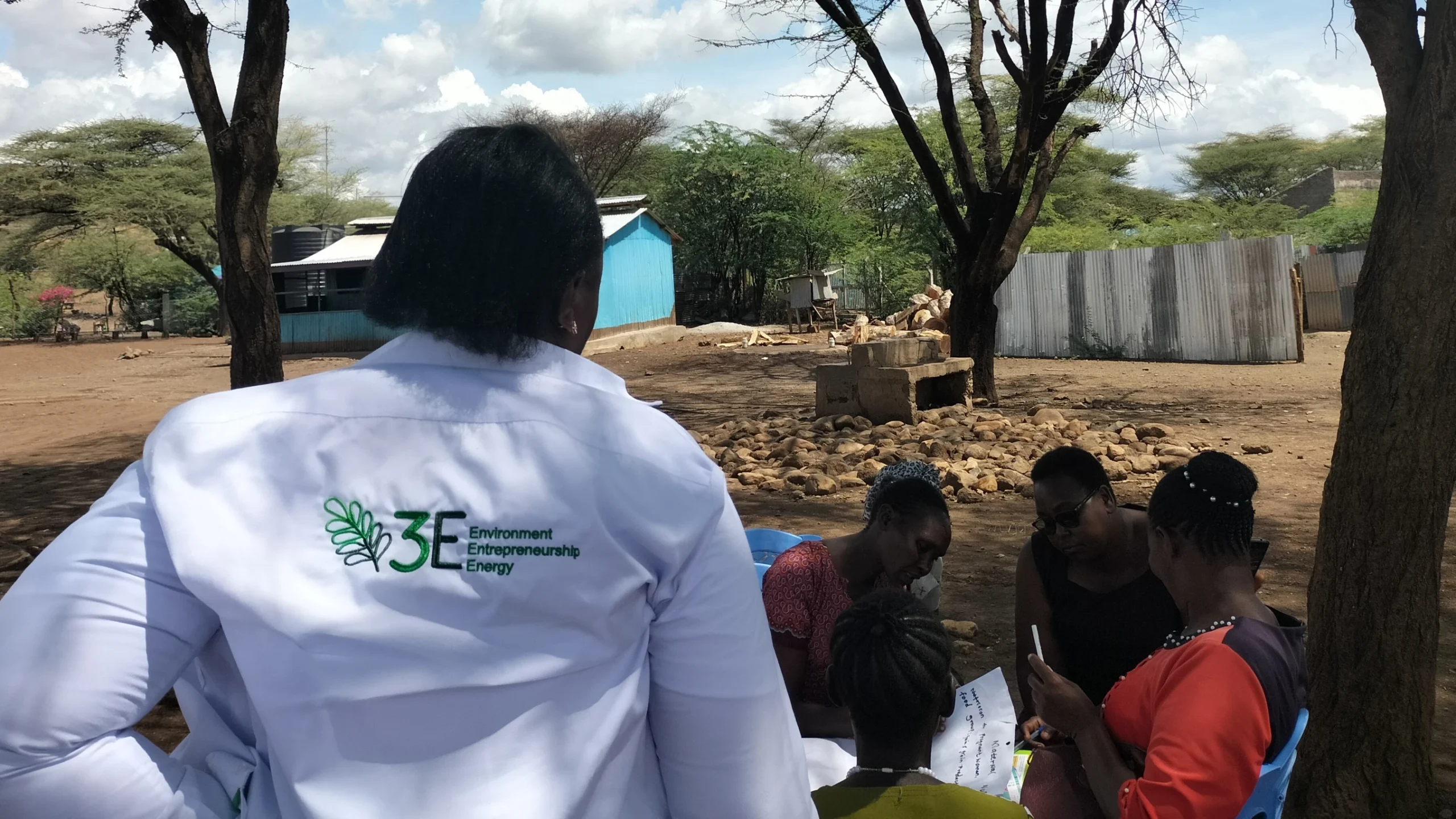
In the drought-ridden lands of Marigat sub-county, Baringo South, where rainfall is minimal and agricultural options are limited, access to nutritious food has been a persistent challenge. For generations, communities have largely relied on purchasing foods, especially outside the brief rainy season, leading to low nutrition and significant financial strain. Recognizing this critical need, the 3E organization, through its “Mizizi yetu, Maisha yetu” project, has brought a transformative approach, demonstrating how placing the community at the heart of the solution, together with appropriate technology, can cultivate lasting change.
The project’s foundation rests on empowering women through knowledge transfer. The initial step was about fostering understanding. Women were engaged in discussions about the benefits of cultivating their own fruits and vegetables, the cost savings, the control over the quality and safety of food for their families, and the link between diverse home-grown produce and improved household nutrition. This focus on building awareness and ownership from within was paramount, ensuring that subsequent interventions would resonate deeply with their immediate needs and challenges.
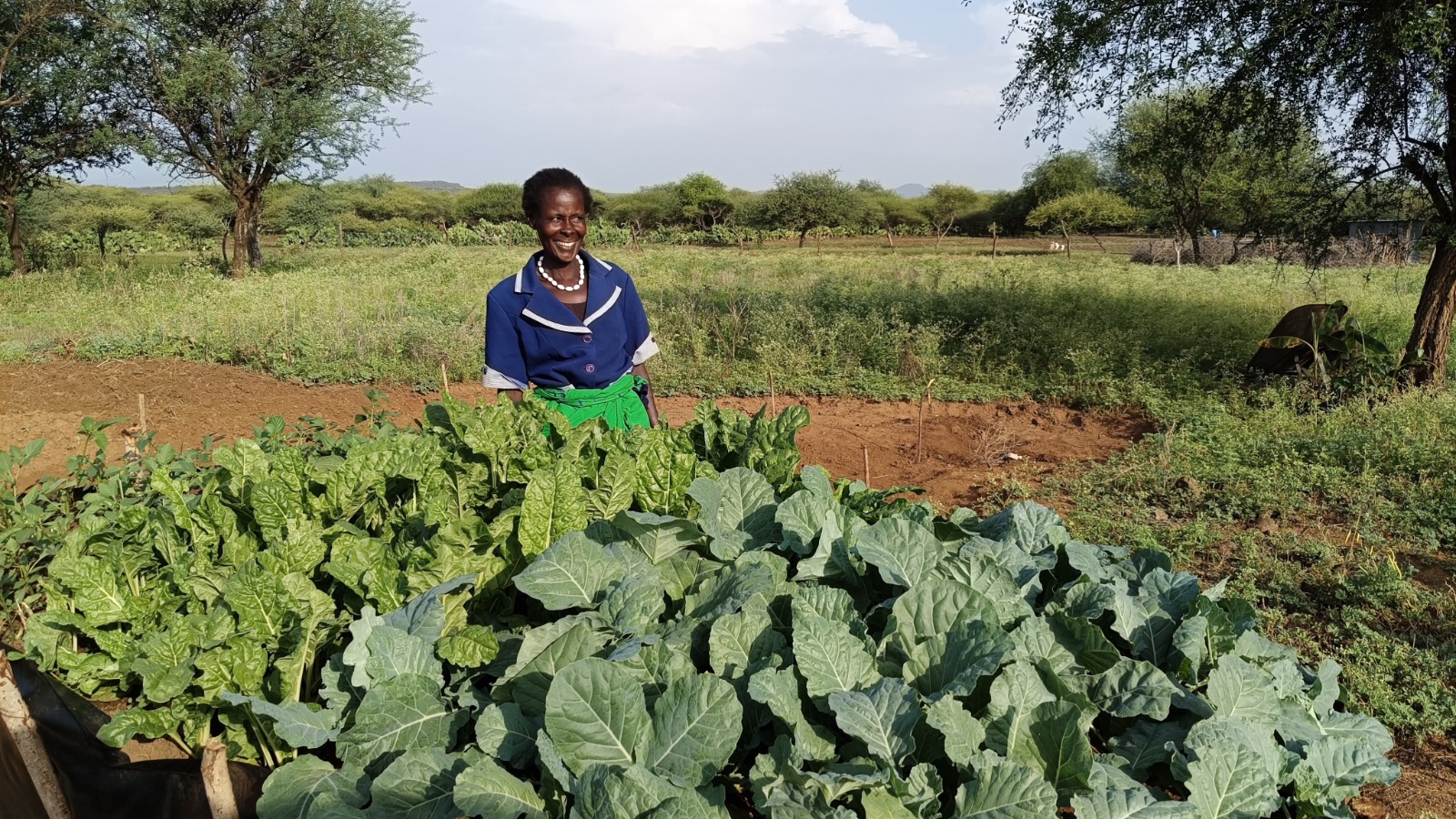
A significant hurdle in Marigat is its rocky terrain, a major barrier to proper farming. This is where innovative gardening technologies became a game-changer. The project introduced moist gardens and corn garden solutions that bypass the soil limitations by requiring only a proper mixture of good soil and manure. These technologies, while modern, were presented as accessible tools that could be adapted to their environment. They technologies could occupy different varieties of vegetables, ensuring a consistent supply of nutritious vegetables. The project also integrated mango and paw paw fruit seedlings into these kitchen gardens adding to the nutrition of the household once they are ready for harvest.
The success of “Mizizi yetu, Maisha yetu” project lies in its commitment to a community-centered model. This wasn’t a top-down intervention; it was a collaborative journey. From the initial needs’ assessment to the selection of technologies and the ongoing maintenance, the women were active participants. They embraced every step, understanding that their engagement was the bedrock of a long-term solution. This shared ownership created a sense of responsibility, fostering a sustainable model where knowledge is shared and solutions are collectively maintained.
The results have been good and impactful. With consistent follow-up and technical support. By May, many women were already enjoying the cheerful harvests from their kitchen gardens. The fresh, organic vegetables are now sourced directly from their backyards, eliminating the need for purchases. Witnessing these small plots of land, powered by modern gardening technologies and nurtured by empowered hands, feeding entire households is a powerful indicator of the project’s success.
3E organization is committed to creating sustainable and innovative solutions for rural communities. We shall continue to demonstrate that when communities are empowered to drive their own solutions, supported by appropriate innovation we create resilience and self-sufficiency within the communities.