For decades, development institutions have treated agriculture and health as separate sectors, each operating in isolation with distinct policies, budgets, and interventions. In Kenya, this separation is reflected in the existence of two independent ministries, the Ministry of Health and the Ministry of Agriculture with minimal coordinated action between them. As a result, communities miss the full benefits of programs that could be far more impactful if the sectors worked hand in hand.
The Maisha Bora Project is reshaping this narrative by demonstrating that agriculture and health are not only connected but deeply interdependent. While agriculture contributes directly to nutrition and food availability, health provides the human capital needed for productive farming. Poor nutrition weakens farmers, reduces productivity, and increases health risks, while poor health limits households’ ability to engage effectively in agricultural activities. Yet, despite these clear linkages, they are often overlooked in traditional development models.
In Molo Sub‑County, the Maisha Bora Project has adopted a transformative multi-sectoral approach that aligns agricultural livelihood support with community health improvements. The project will work with 250 dairy farmers, equipping them with improved farming practices, better livestock management skills, and increased production. However, unlike conventional agriculture-focused programs, Maisha Bora goes a step further by addressing the human health and nutrition.
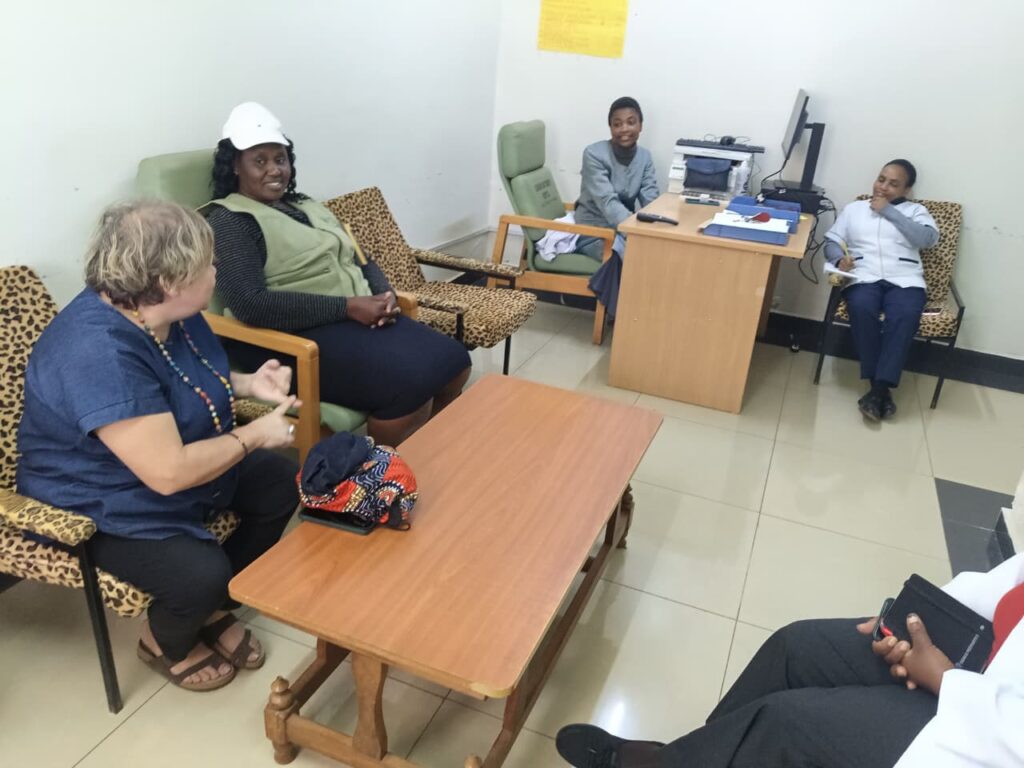
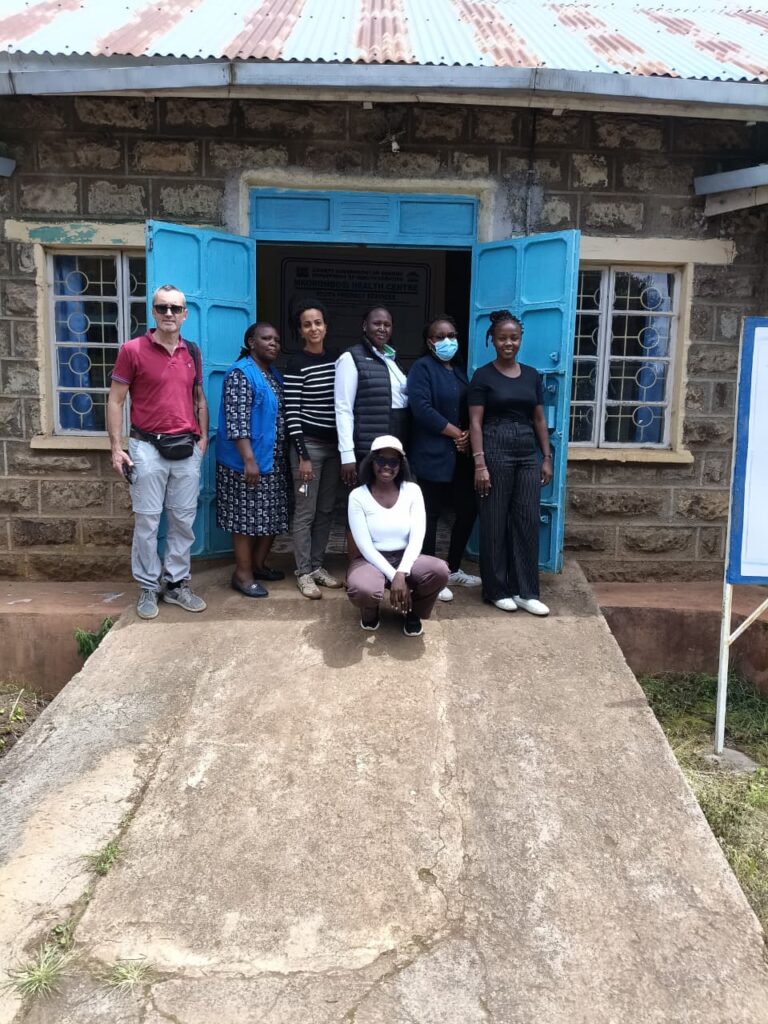
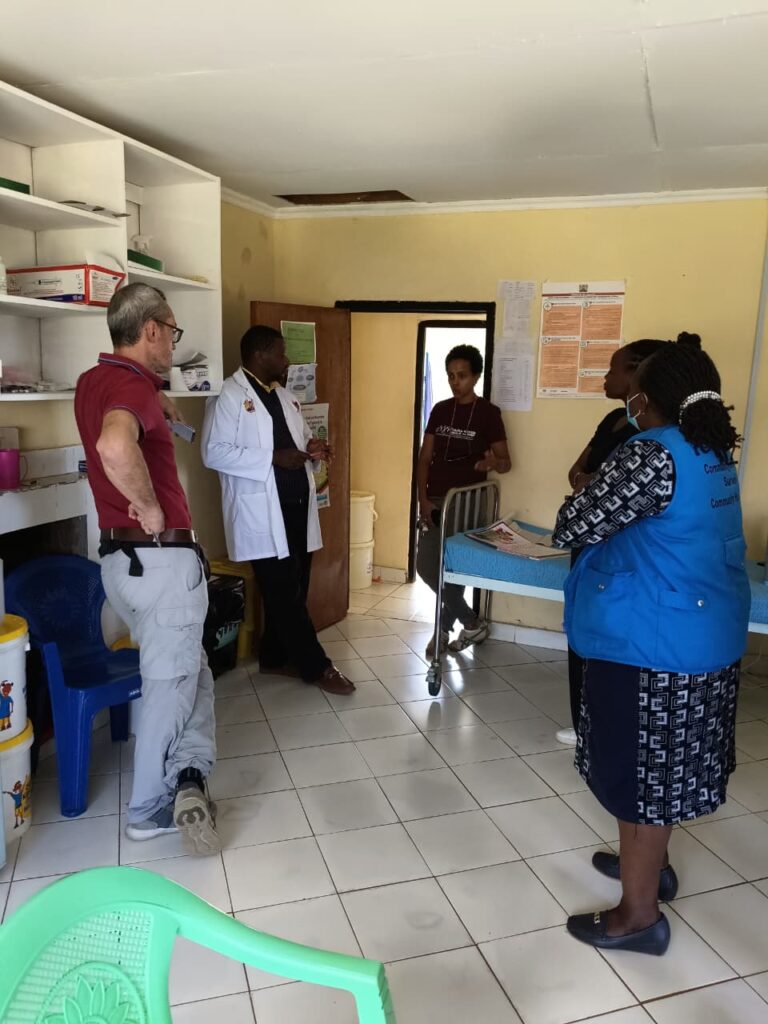
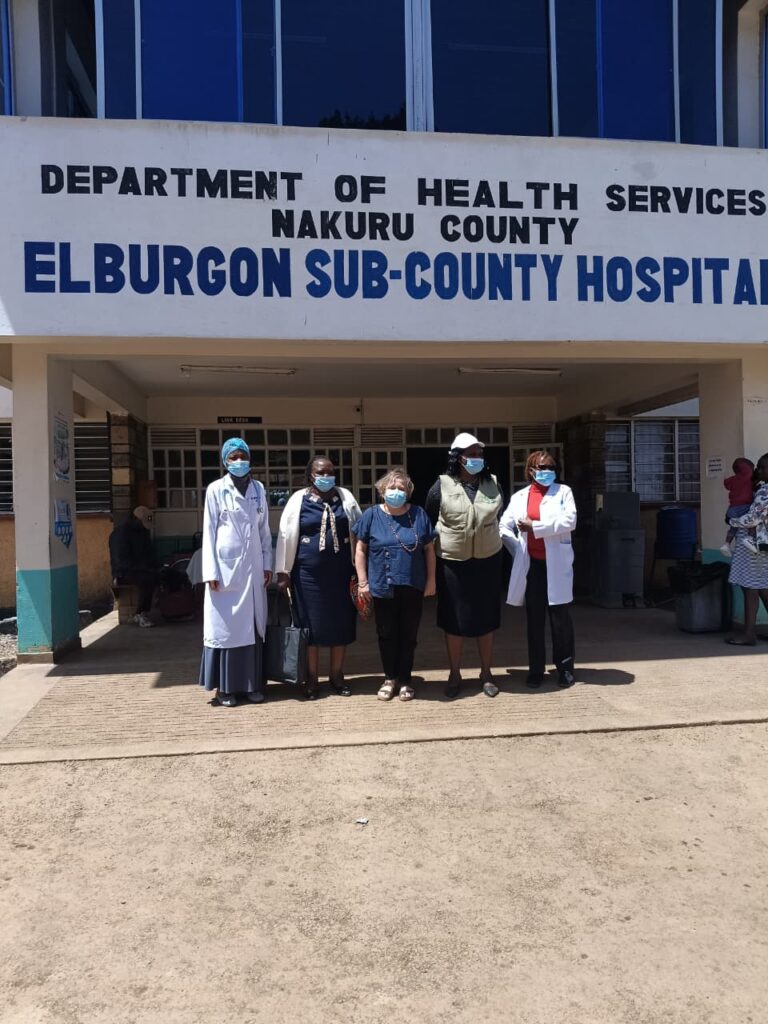
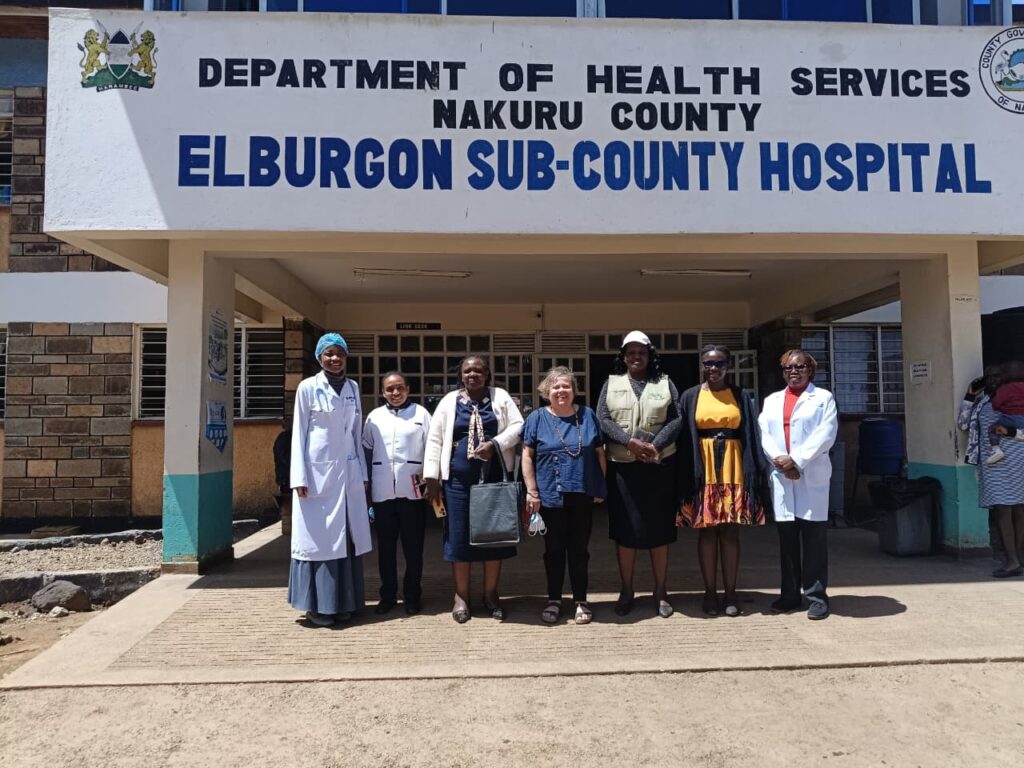
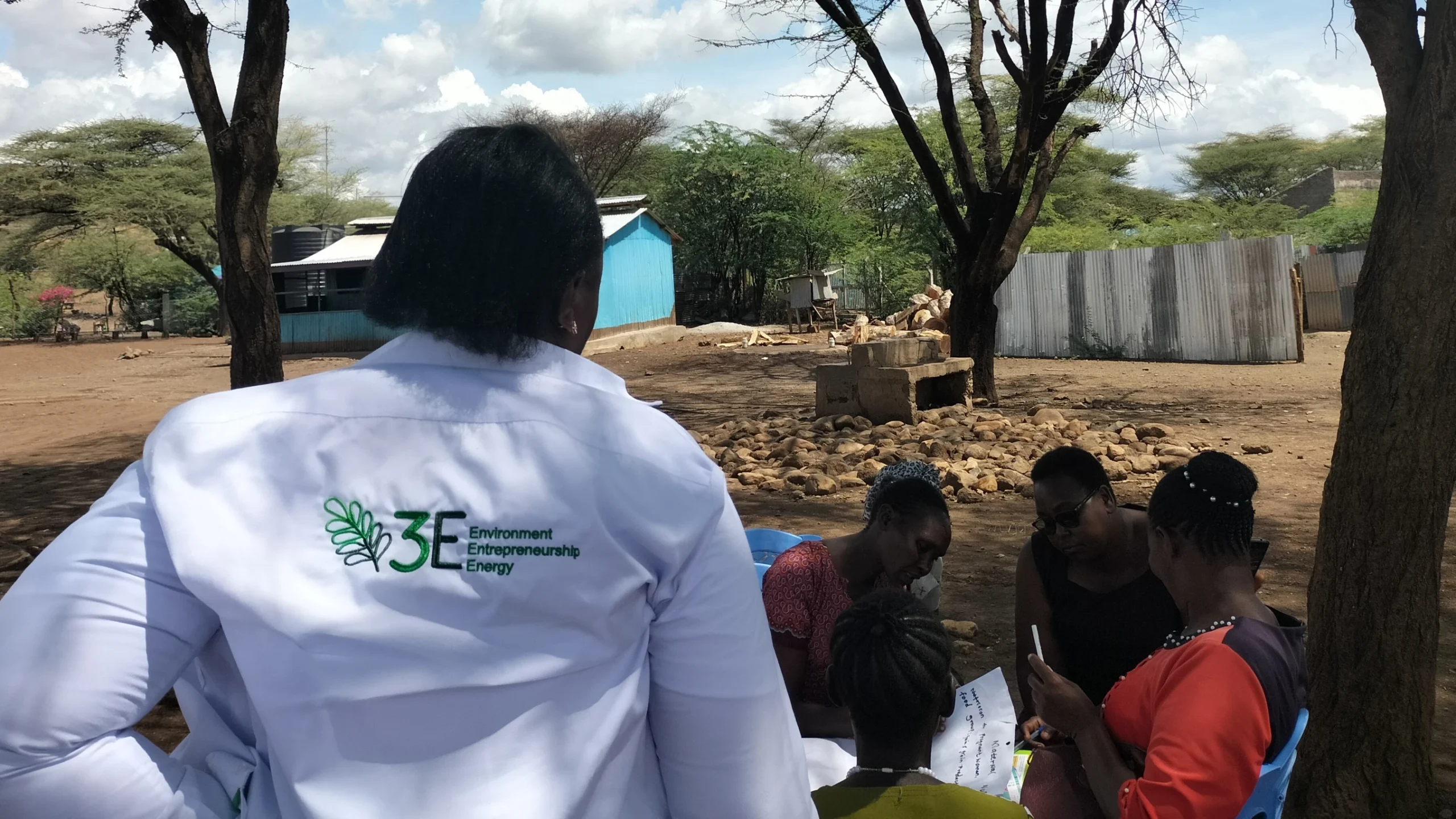
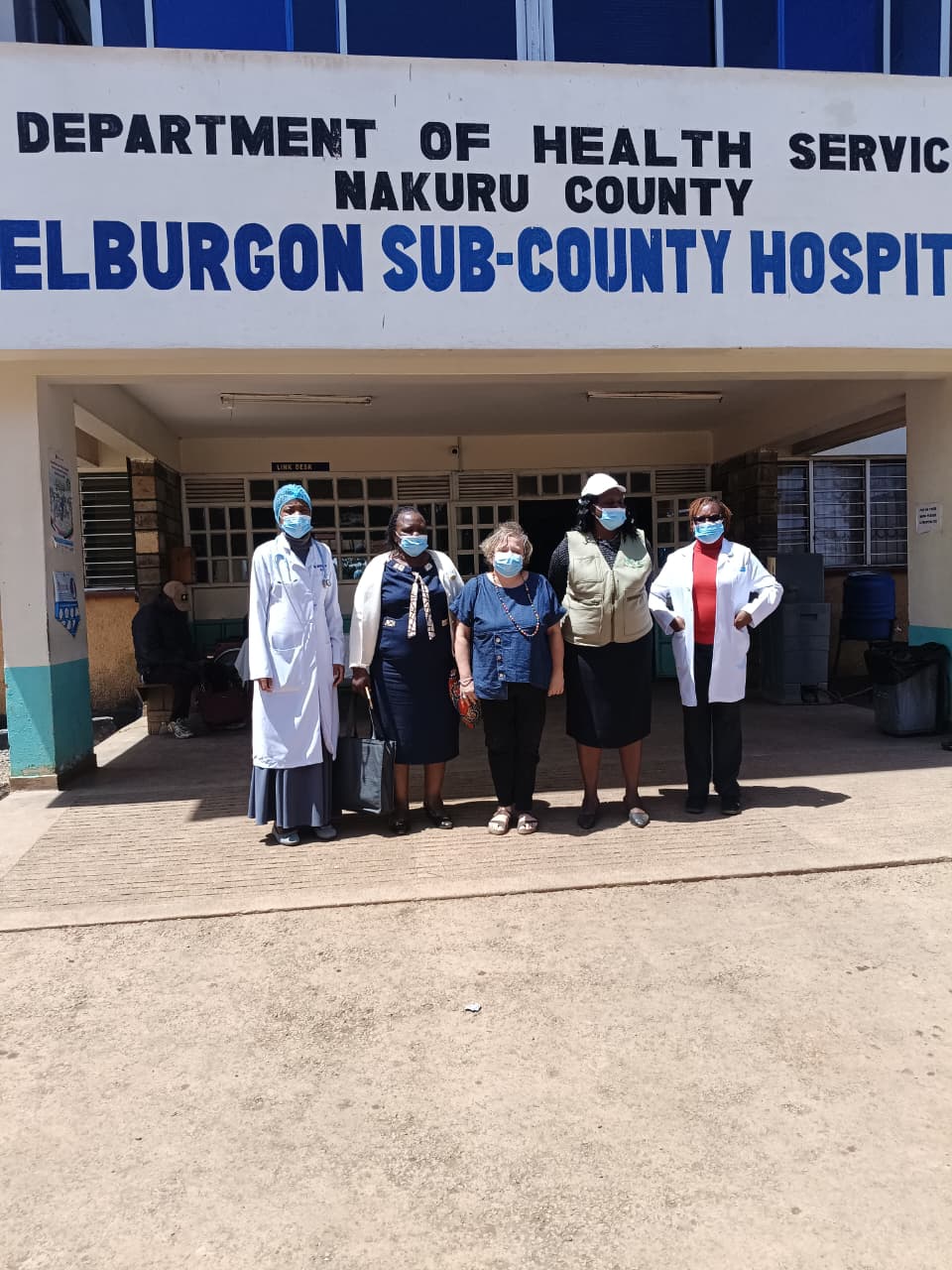
The project partners with five dispensaries across Molo Sub‑County to strengthen nutrition services and improve maternal and child health outcomes. This includes training Community Health Promoters, who play a critical role in disseminating nutrition and hygiene information at the household level. Additionally, the project supports ECDE centres, ensuring that young children who form the foundation of the future generation, receive essential nutrition education that promotes healthy growth and learning.
By integrating these two sectors, Maisha Bora is demonstrating that sustainable development cannot be achieved in silos. Communities thrive when both their economic livelihoods and their health systems are strengthened simultaneously. This integrated model enhances resilience, supports long‑term food security, and empowers households to build healthier and more productive lives.
The Maisha Bora Project is a reminder that, to achieve real change, development efforts must reflect the interconnected reality of people’s lives. Agriculture and health are not competing priorities; they are two sides of the same coin. And when they come together, the result is a healthier, more food-secure, and more prosperous community.